(no subject)
Jan. 4th, 2026 07:31 pmToday has been if anything worse. Mousing Ok, a few tasks are OK, I managed several PT exercises but it has been a hard day. Typing, including comments, is particularly bad.
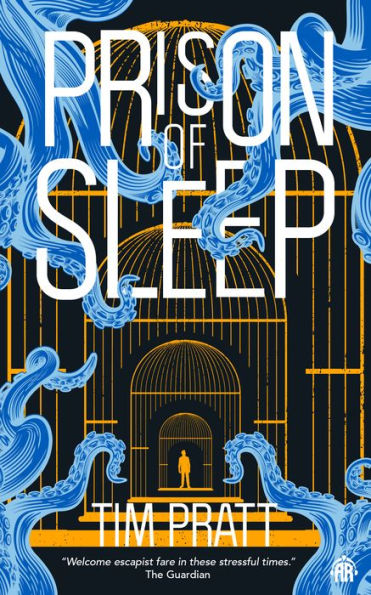
Several years after escaping the Lost Hour, Janet Donner meets Mayor Chisel for an important conversation.

This week's bread: the Collister/Blake My Favourite Loaf, strong white/wholemeal/light spelt flour. Okay, but not as nice as sometimes.
New Year's Eve evening meal: partridges with ducky little bacon weskits, pot-roasted in brandy and port (the drainings of the port, less than I thought we had) (one of them for some reason turned out partially undercooked, not sure why that was); served with cornmeal cakes, which for some reason turned out less satisfactory than usual, possibly the batter was a tad too slack, fine green beans and sliced baby peppers roasted in walnut oil with fennel seeds and splashed with gooseberry vinegar and cauliflower florets roasted in pumpkin seed oil with cumin seeds and splashed with tayberry vinegar.
Saturday breakfast rolls: basic buttermilk, light spelt flour, worked rather well.
Today's lunch: kedgeree with smoked haddock and quails' eggs (the rice took an unconscionable time to cook and possibly I slightly I overdid the cayenne), and a salad of little gem lettuce, white chicory and baby tomatoes dressed with salt, pepper, lime juice and avocado oil.

Selena arrives at the tiny train station in the town of Quartz Creek with a backpack, a rolling suitcase, her dog Copper, and a postcard from her aunt, suggesting a visit. When Selena had finally decided she could not deal with her emotionally abusive fiancé any longer, that postcard gave her a destination. But when she reaches the town, after two and a half days of travel, she discovers that Aunt Amelia is dead, and has been for a year.
Selena has hardly any money, and it would be so easy to return to her poisonous partner and let him run her life, but she hesitates. And as she's hesitating, she meets a variety of kind but eccentric townspeople who suggest that there is no reason why she can't simply take over her aunt's house, known as Jackrabbit Hole House. Even in a town where it's far more common for a house to have a name than not, this one is puzzling. Jackrabbits, one of the residents informs her, don't live in holes.
Despite all the minor issues that one might expect in a house that's been all but abandoned in the U.S southwestern desert for a year, Selena finds the place surprisingly comfortable. Her next-door neighbor Grandma Billy keeps her supplied with eggs and other miscellaneous food, and the local church has a potluck supper multiple times a week. She also discovers, when she goes to buy Copper some dog food, that Aunt Amelia left several hundred dollars of credit at the local store, which the store owner insists is Selena's now. With Grandma Billy's help, Selena even starts to recover her aunt's vegetable garden.
Everything is fine until she starts hearing voices. Then there's that creepy statuette in the main room. And one morning, she finds she's not alone in her bed.
( Cut for more, including some spoilers )This is the Southwest of Kingfisher's collection Jackalope Wives and Other Stories, where spirits, gods, and shapeshifters co-exist with vintage pickup tricks and ecotourists. Kingfisher seems at her best in this setting, and Selena's predicament is genuinely frightening at times.
The book is also, however, rather familiar. The outline of the story is very similar to Kingfisher's The Twisted Ones (2019), in which a young woman named Mouse travels with her beloved dog Bongo to inventory her late grandmother's house and finds all manner of creepiness. She deals with these manifestations with the help of eccentric locals. The Twisted Ones is actually a more complicated story, probably because it's a pastiche of a 1904 horror short story called “The White People," by Arthur Machen. Snake-Eater is also shorter: 267 pages to 399 for The Twisted Ones.
To me, Snake-Eater is the more engaging story. In the acknowledgments, Kingfisher reminisces about growing up in the Southwest. I knew she had moved there recently, but I didn't realize that she was a returnee when she did so. That may be why this story feels more full of life than the earlier work.
I think I'll be re-reading this one. I've never bothered with that for The Twisted Ones.